You Haven't Been "Lazy" a Single Day in Your Life. Here's What's Actually Wrong.
A former behavioral design engineer breaks silence on why your generation can't read a book, finish a task, or sit in a quiet room for five minutes — and the 72-hour clinical fix to reboot your dopamine baseline.

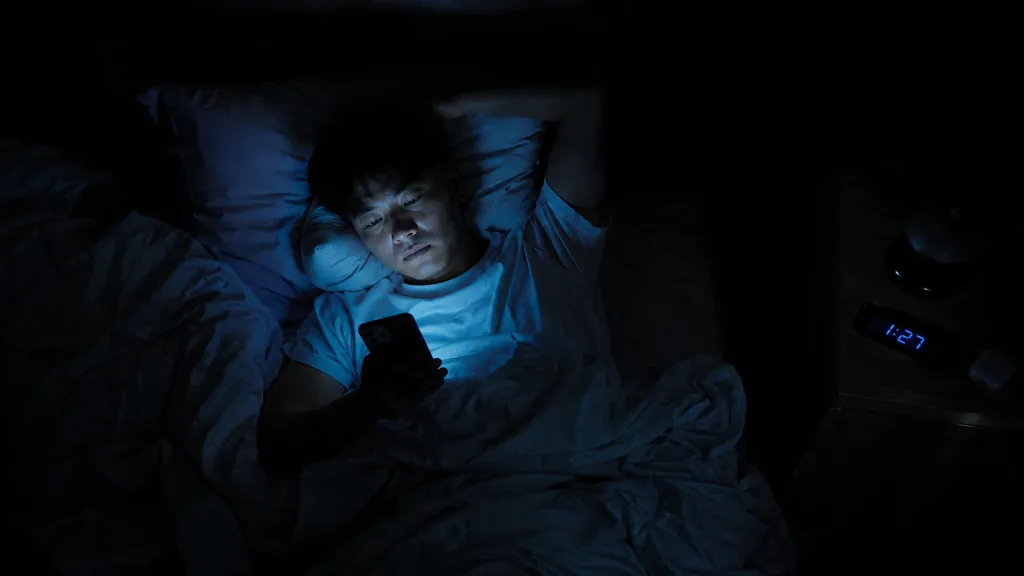
Let me describe your morning and you tell me if I'm wrong.
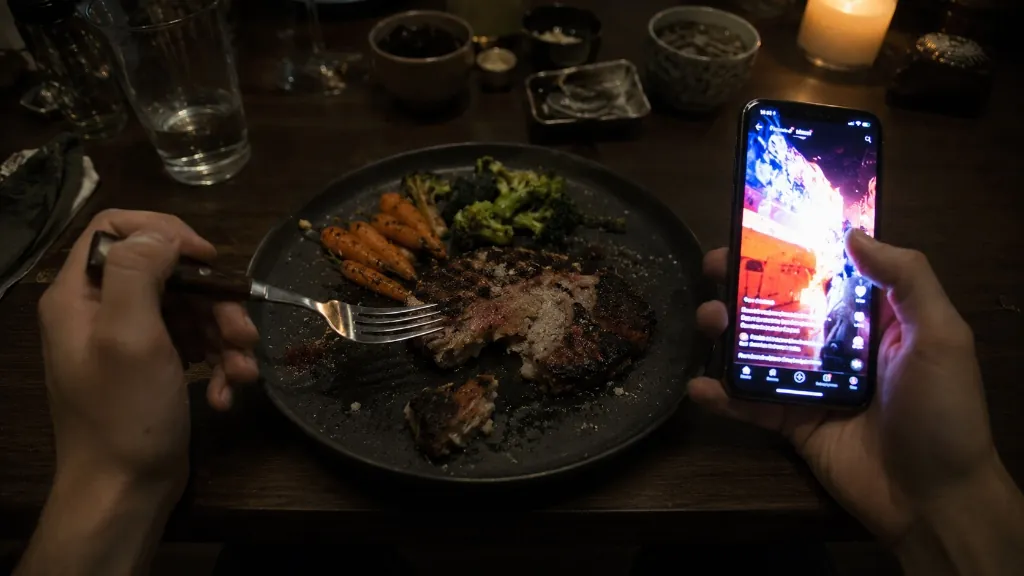
Your alarm goes off. Before your eyes are fully open — before your feet touch the floor — your thumb has already unlocked your phone. You don't even remember picking it up. It just appeared in your hand. Like a reflex. Like breathing.
You open TikTok. Or Instagram. Or Twitter. You tell yourself "just five minutes." Forty-five minutes later, you're still in bed. You haven't eaten. You haven't showered. You feel a dull, low-voltage anxiety humming in your chest that you can't quite name.
You finally drag yourself up. You put on a podcast to shower. You put on music to make breakfast. You put on a YouTube video to eat. At no point during the first two hours of your day has your brain experienced a single second of silence.
Then you sit down to work. And something terrible happens.
Nothing.
You stare at the screen. You feel the task in front of you. You understand what needs to be done. But your body will not move. Your fingers will not type. There's an invisible biological wall between knowing and doing, and no amount of coffee, energy drinks, or motivational videos can break through it.
So you grab your phone again.
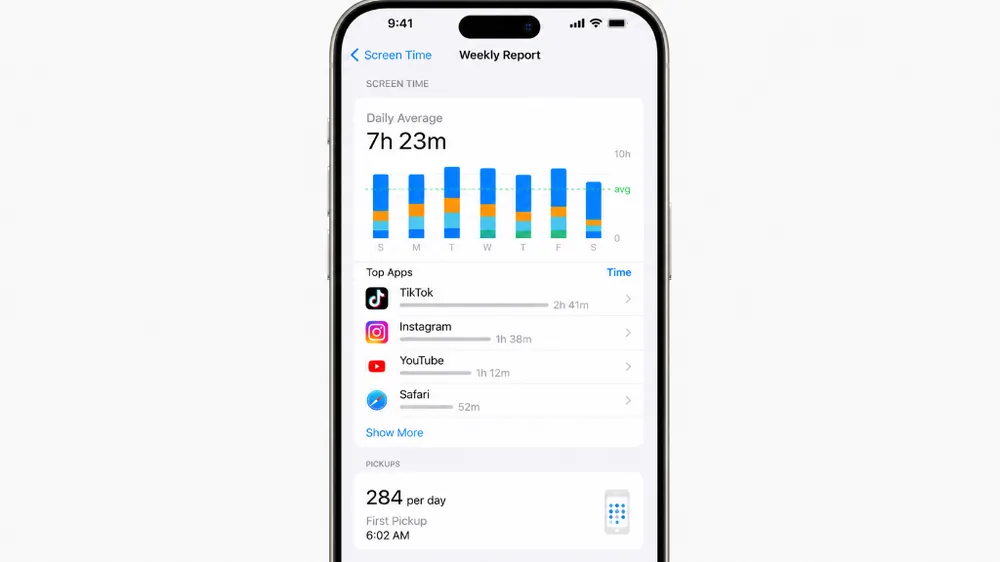
If you couldn’t make it to this paragraph without skimming ahead or feeling the urge to close the tab, you are more than cooked.
If your attention span is so decayed that reading 3 minutes of plain text causes physical irritation in your chest, do not bother with the 72-Hour Protocol. At that level of receptor atrophy, an at-home reset won't save you—you need an inpatient digital detox facility.
However: If you are still reading these exact words right now, you can still help yourself. It means your prefrontal cortex still possesses the residual neural plasticity required to break the loop and reboot your dopamine baseline. You are the only type of person this protocol is designed for.
And the cycle repeats. Every single day. For months. Maybe years.
You've googled "why can't I focus." You've wondered if you suddenly developed ADHD in your twenties. You've told yourself you need "more discipline." You've set app timers, deleted apps, bought journals, tried meditation, failed at meditation, and felt worse about yourself for failing.
None of it worked. And here's why: you've been treating a neurochemical injury with behavioral band-aids.
They Spent $50 Billion Engineering Your Addiction. You Never Stood a Chance.
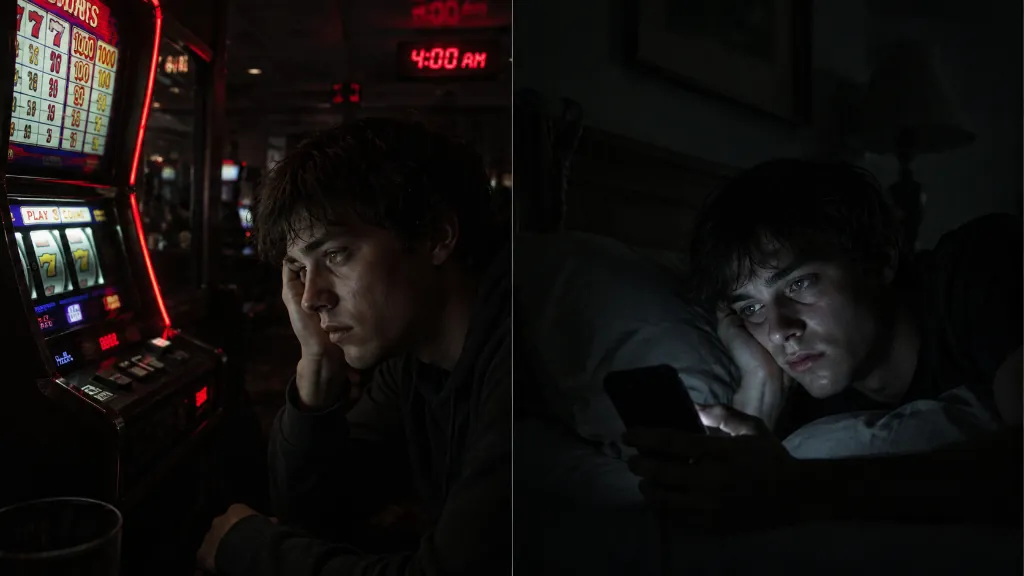
In 2019, a leaked internal memo from a major social platform revealed that their engagement team had successfully compressed the average user's "scroll-to-reward interval" down to 6.2 seconds. Meaning: every 6 seconds, your brain receives a novel, unearned hit of dopamine.
To put that in perspective: the most addictive substance on earth produces a dopamine spike roughly once every 20 minutes. Your phone does it 200 times per hour.
Your brain isn't stupid. It recognizes that this level of chronic hyper-stimulation is neurotoxic. So it does what any intelligent biological system does to survive:
It literally starts eating its own focus circuits.
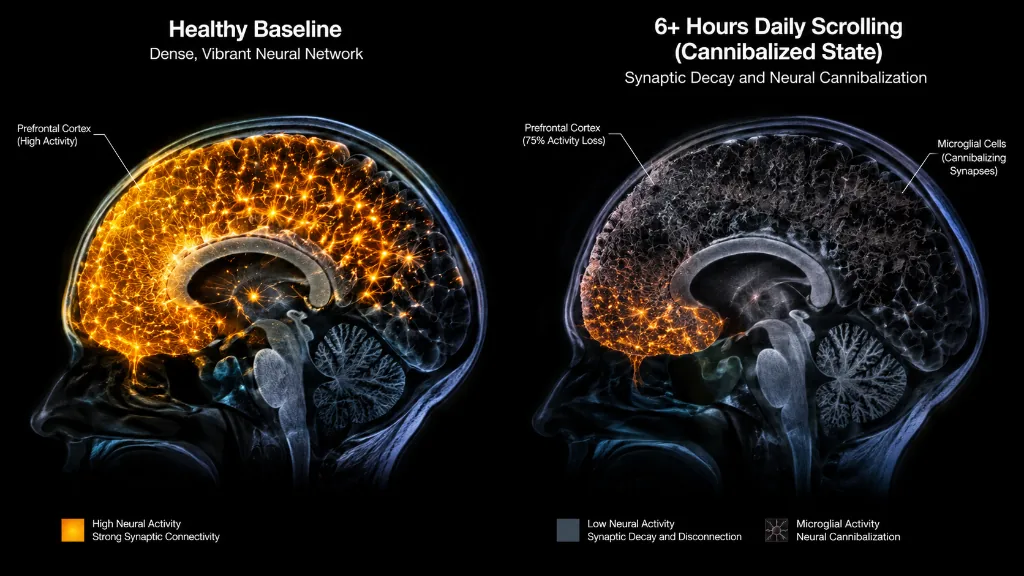
In neuroscience, this is known as microglial synaptic pruning. When your dopamine pathways are flooded 200 times an hour, your brain initiates emergency self-preservation: it withdraws and digests its own postsynaptic D2 dopamine receptors.
Your brain is consuming its own focus hardware just to survive the noise.
This is why you can't read a full page of a book anymore. This is why you start projects and abandon them in three days. This is why you set your phone down, pick it up ten seconds later, and don't even remember doing it.
You are not lazy. You are neurochemically injured.
- You cannot shower, cook, or commute without background audio playing.
- You lock your phone to sleep, then unlock it again within 10 seconds without deciding to.
- You let hot food go cold while searching for the "right" video to watch while eating.
- You watch YouTube or podcasts at 1.5x or 2x speed because normal speed feels unbearably slow.
- You sit down to do 20 minutes of real work and feel a wave of physical mental pain within the first 3 minutes.
- You open an app, forget why, close it, and immediately reopen the same app.
- You feel low-grade anxiety or restlessness whenever you sit in a quiet room with no stimulation.
Your dopamine baseline is critically depleted. Willpower-based methods (app timers, Pomodoro, "just try harder") will fail because they require the exact neural circuits that are currently offline. You need an upstream biological reset.
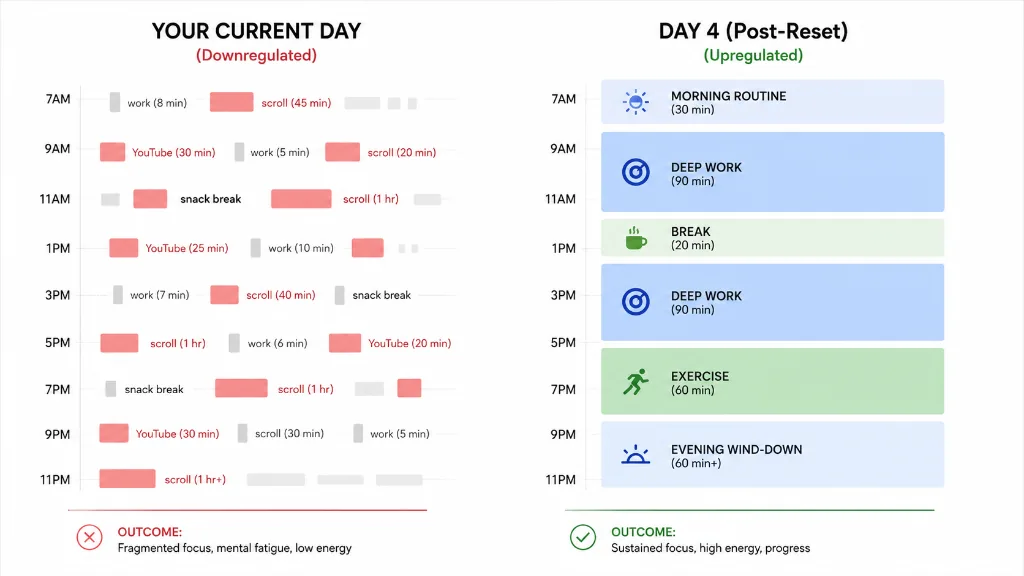
The Good News: This Is 100% Reversible. In 72 Hours.
Here is what clinical research proves: screen-induced D2 receptor downregulation is functional, not permanent. Your receptors aren't destroyed forever. They are dormant.
And because of neuroplasticity, they wake up fast.
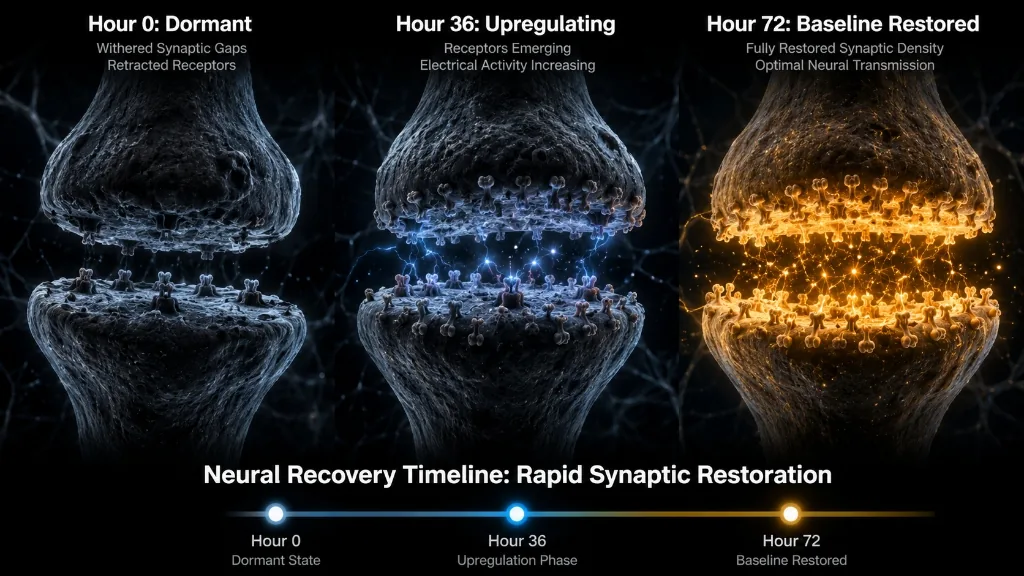
The difference isn't discipline. The difference is method.
Willpower fails because it asks you to fight your own neurochemistry. The 72-Hour Protocol doesn't ask you to resist cravings. It restructures your environmental friction so that the cravings never fire in the first place.
- 🔒The Phase 1 "Morning Override": Why the first 22 minutes after waking determine whether your entire day is productive or wasted — and the exact sequence that hijacks this window back. (Hours 0–6)
- 🔒The 3 Device Accessibility Settings: Three configurations hidden deep in your phone's settings menu that reduce compulsive pickups by 80% within the first 4 hours. (Module 2)
- 🔒The "2-Minute Ignition" Technique: The exact cognitive bypass used by combat pilots and ER surgeons to initiate deep focus under extreme fatigue. (Module 4)
- 🔒Hours 49–72 (The Lock-In Phase): How to make the reset permanent so you never slide back — without living like a monk or giving up entertainment forever. (Phase 3)
I need to be direct with you.
You can close this tab right now. You can go back to scrolling. Tomorrow morning, you'll wake up, grab your phone before your feet touch the floor, and repeat the exact same loop you've been trapped in for the past six months.
Or you can spend the next 72 hours following a precise, hour-by-hour clinical map that thousands of people have already used to get their minds back.
It costs less than the Deliveroo order you placed while doomscrolling last night.
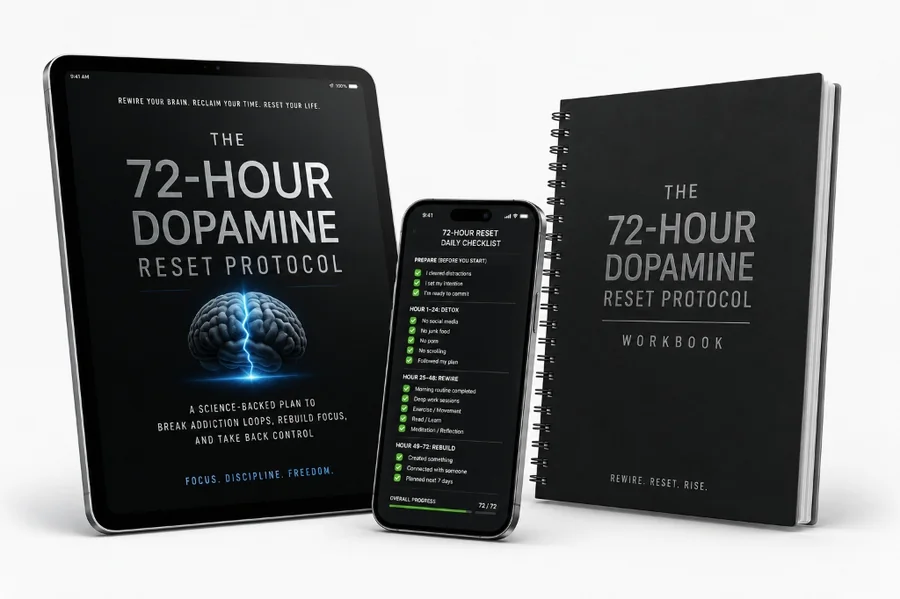
- ✓72-Hour Master Protocol (PDF): The exact hour-by-hour execution schedule from Hour 0 to Hour 72.
- ✓The Upstream Friction Blueprint: Environmental architecture rules that eliminate cravings before they start.
- ✓The "2-Minute Ignition" Field Manual: The task-initiation bypass used by combat pilots and surgeons.
- ✓30-Day Maintenance Tracker: Daily execution checklist to lock in permanent recovery.